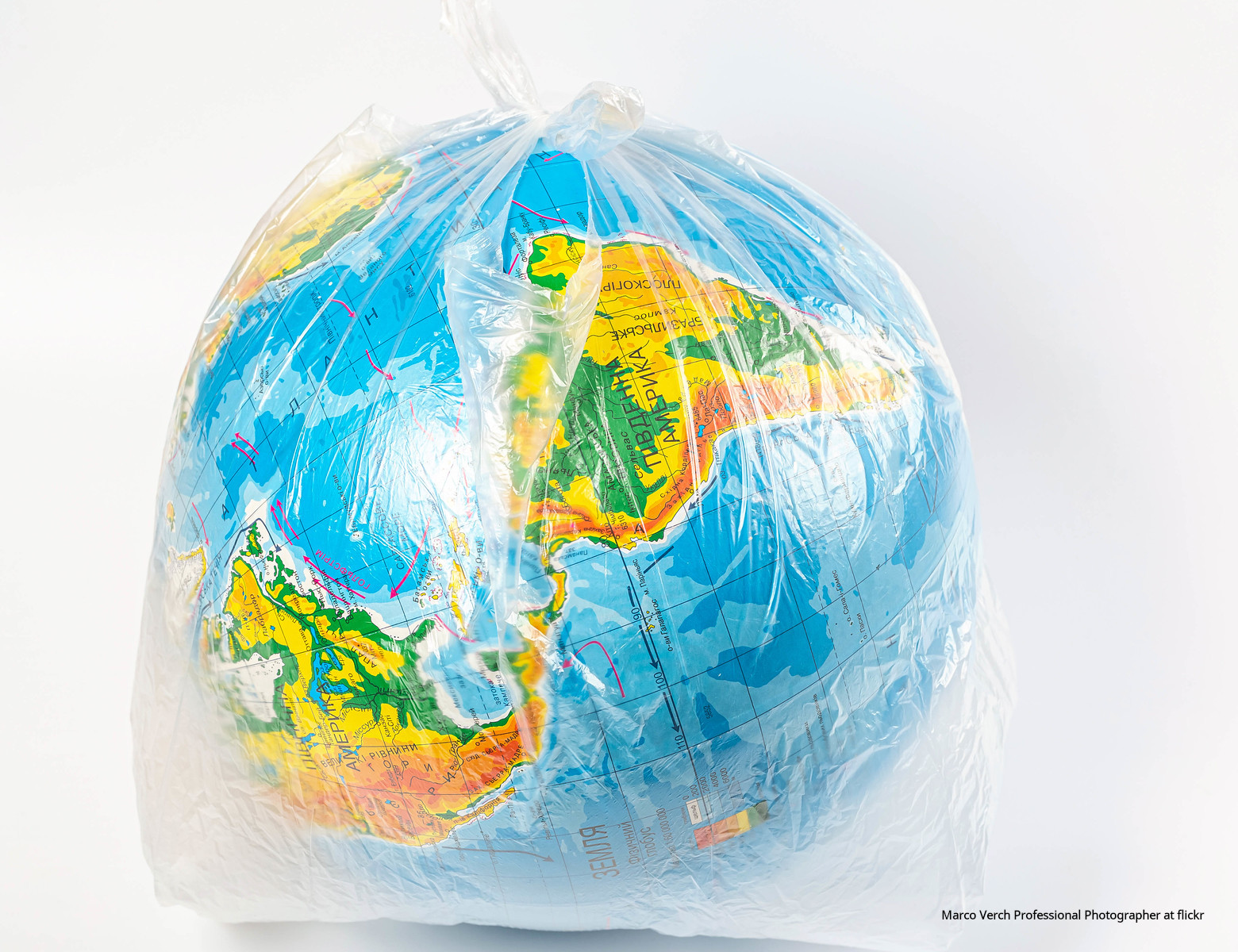
At the heart of the debate on how to address the climate crisis is oil, and the oil derivative, plastic.
Over 10 million tonnes of plastic are dumped into the oceans each year, and researchers from the University of Canterbury in New Zealand, have found microplastics raining down on Antarctica, in the form of snow. Newsweek has also reported that it is thought 90 percent of seabirds have plastic in their stomach, and thus kill their young by feeding it to them.
There are many ways we can take steps to rescue our planet and divorce ourselves from our plastic addiction.
Other than remembering to take your cloth bags to the shopping mall; many people thinking about how to reduce plastic waste have recommended:
- Avoid use of single use plastics like drinking straws, plates and cutlery. And see if you can find a glass or steel container to use for your lunch, rather than plastic.
- If you have the storage space, try to buy in bulk and reduce the amount of plastic containers goods come in.
- Find out if your make up and cosmetics contain plastic microbeads. Although personal products were banned in the US in 2015, and in Canada in 2017, they are still out there.
- If you feel comfortable doing it, try to think of a way to reuse single use plastics like left overs and food storage.
- If you use plastic water bottles, use a steel travel mug instead.
- If reasonably priced, bring your own packaging and buy food from the bulk bins in your supermarket.
- Find out if there are microbeads or plastic in your cleaning products. Consider using baking soda, or vinegar and water, if they work for you. (1 part vinegar to 3 parts water).
- Choose paper products that are not wrapped in plastic. Some toilet papers and paper towels manufacturers are using paper instead of plastic film.
- Many municipalities allow recycling of aluminum foil wrap, which is a great alternative to plastic wrap. The newest product on the market to replace plastic food wrap is made of beeswax, cotton, Jojoba Oil and pine resin. They can be found on Amazon, but do look to be pricey. Perhaps the cost will come down in the future.
- Some may have noticed that although TV dinners come in recyclable cardboard containers, the food is in black plastic trays that are not. Oh, maybe it is too hard to give these up! Pizza instead anyone!
April 22nd is Earth Day!
Sources
Ten tips to reduce your plastic waste. (2023). WWF-UK. https://www.wwf.org.uk/updates/ten-tips-reduce-your-plastic-waste
Plastic Pollution Facts. (2023). Plastic Oceans. https://plasticoceans.org/the-facts/
In a First, Microplastics Are Found in Fresh Antarctic Snow. (2023). Smithsonian Magazine. https://www.smithsonianmag.com/smart-news/in-a-first-microplastics-are-found-in-fresh-antarctic-snow-180980264/
90 Percent of Seabirds Have Plastic in Their Stomachs. (2020, February 5). Newsweek. https://www.newsweek.com/90-percent-seabirds-have-plastic-their-stomachs-367551
How To Reduce Your Plastic Consumption: Reduce your plastic consumption and lessen its impact on the environment. (2023). Iberdrola. https://www.iberdrola.com/sustainability/how-to-reduce-plastic-use
100 Steps to a Plastic-Free Life. (2007). Beth Terry. https://myplasticfreelife.com/plasticfreeguide/
Microbeads. (2018, January 20). Health Canada. https://www.canada.ca/en/health-canada/services/chemical-substances/other-chemical-substances-interest/microbeads.html
What are microplastics? Microplastics are small plastic pieces less than five millimeters long which can be harmful to our ocean and aquatic life. (2023) NOAA. https://oceanservice.noaa.gov/facts/microplastics.html
We Tested Beeswax Wraps: Here Are the Clear Winners. (2022, September 29). Dotdash Meridith. https://www.thespruceeats.com/best-beeswax-wrap-4843690